
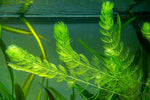
Best Plants for Shrimp Tanks (And Why They Matter)
, by S N, 10 min reading time
, by S N, 10 min reading time
If there is one upgrade that instantly improves a shrimp aquarium, it isn’t expensive equipment or complicated water additives. It’s plants.
Freshwater shrimp and aquatic plants have a mutually beneficial partnership. In fact, many shrimp struggle in bare tanks but thrive once live plants are introduced.
So while plants certainly make an aquarium look beautiful, their real value goes much deeper.
Let’s explore why plants matter so much, and which ones work best for shrimp keepers, especially beginners.
Why Shrimp Love Planted Aquariums
In nature, shrimp live among dense vegetation, fallen leaves, and submerged roots. These environments provide food, shelter, and stability.
Plants recreate these conditions inside the aquarium by:
A planted tank is not just decoration. It becomes a self-supporting ecosystem.
The more natural surface area available, the happier shrimp tend to be.
What Makes a Plant “Shrimp-Friendly”?
Not all aquarium plants serve shrimp equally well.
The best shrimp plants typically have:
Shrimp spend most of their day picking microscopic food from plant surfaces, so structure matters more than size.
Hornwort (Guppy Grass): The Beginner Favourite
Hornwort, often called Guppy Grass, is one of the easiest and most effective plants for shrimp tanks.
Why it works so well:
Its long, flowing strands create natural grazing zones where shrimp can feed continuously throughout the day.
For beginners, hornwort is often the fastest way to make a tank feel “alive.”
Mosses: The Ultimate Shrimp Habitat
Aquarium mosses are widely considered the gold standard for shrimp tanks.
Moss provides:
Shrimp colonies often establish themselves around moss patches, turning them into constant centres of activity.
Floating Plants: Natural Protection From Above
Floating plants offer benefits that many aquarists overlook.
They help by:
Their root systems also grow biofilm, giving shrimp another feeding area near the water surface.
Even a small amount of floating cover can noticeably calm shrimp behaviour.
Stem Plants for Structure and Stability
Stem plants add vertical growth and help stabilise water quality.
Good beginner options include fast-growing species that absorb nutrients efficiently and help prevent algae problems.
Benefits include:
Dense planting also increases baby shrimp survival rates by providing more hiding spots.
Plants and Water Quality: The Hidden Advantage
One reason planted shrimp tanks succeed more easily is that plants actively support water stability.
They help by:
While plants do not replace maintenance, they make the aquarium far more forgiving, especially for beginners still learning tank balance.
How Many Plants Do You Really Need?
A common beginner mistake is underplanting.
For shrimp tanks, a useful guideline is:
If the tank looks heavily planted, you’re probably close to ideal.
Shrimp prefer environments with coverage rather than open swimming space. Dense planting increases confidence, activity, and breeding behaviour.
You don’t need rare or expensive plants - just enough surface area and structure.
Common Plant Mistakes in Shrimp Tanks
Adding Plants to an Unstable Tank
Plants help stability but still benefit from a cycled aquarium.
Over-cleaning Plants
Shrimp rely on biofilm growing on plant surfaces. Excessive cleaning removes their natural food source and disturbs the plant's natural growth cycle.
Chasing Perfect Growth
Shrimp care prioritises stability over rapid plant growth. Slow, steady growth is perfectly acceptable.
Signs Your Plants Are Helping Your Shrimp
When plants and shrimp are working together successfully, you’ll notice:
The aquarium begins to feel balanced rather than managed.
Creating a Natural Shrimp Ecosystem
The goal of a shrimp tank is not perfection. It is consistency.
Plants provide the structure that allows shrimp to behave naturally, feed continuously, and feel secure. Once this balance is achieved, maintenance becomes easier and the aquarium becomes more stable over time.
Many hobbyists discover that once plants are added, shrimp keeping shifts from careful monitoring to simple enjoyment.
And often, the most active and colourful shrimp colonies are found not in pristine display tanks, but in lush, planted ecosystems full of life. Don't underestimate the value of a little bit of algae!
Ready to Improve Your Shrimp Tank?
Adding shrimp-friendly plants is one of the simplest ways to increase success, encourage breeding, and create a healthier aquarium environment.
Start with hardy species, allow the tank to mature, and let nature do most of the work.
Your shrimp will show their appreciation almost immediately.