
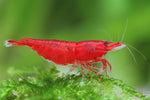
Neocaridina Shrimp Care Guide: A Beginner’s Guide to Happy, Healthy Shrimp
, by S N, 10 min reading time
, by S N, 10 min reading time
Freshwater shrimp are often described as the perfect nano aquarium inhabitant: colourful, peaceful, endlessly fascinating, and surprisingly useful. One of the questions we hear most often is:
“Are shrimp difficult to keep?”
The short answer: not at all. You just have to understand their basics, and choose the right species.
This beginner-friendly guide covers everything you need to know to confidently care for Neocaridina shrimp and help them thrive in your aquarium.
Why Shrimp Care Is Different From Fish Care
Although shrimp live in the same environment as fish, they behave very differently biologically.
Shrimp are invertebrates, meaning:
Think of shrimp less as pets you actively manage and more as a tiny ecosystem you maintain stability for.
When conditions are right, shrimp largely take care of themselves.
Choosing the Right Beginner Shrimp
For beginners, Neocaridina shrimp are by far the best starting point. They are hardy, adaptable, and available in stunning colours.
Popular beginner-friendly varieties include:
All of these varieties share similar care requirements, making them ideal for new shrimp keepers.
Tank Size & Setup
One of the biggest surprises for newcomers is that shrimp do not need large aquariums.
Recommended setup:
Live plants are especially important because they:
Mosses, floating plants, and fine-leaf plants are excellent choices.
Water Parameters (The Secret to Success)
Shrimp thrive in stable water, not perfect water.
Ideal beginner parameters:
The most common beginner mistake is making frequent adjustments. Stability matters more than chasing exact numbers.
Always ensure your tank is fully cycled before adding shrimp.
Substrate & Soil: Building a Shrimp-Friendly Foundation
The substrate you choose plays a bigger role in shrimp success than many beginners realise. Beyond appearance, substrate helps support beneficial bacteria, plant growth, and overall water stability, all of which shrimp rely on.
For Neocaridina shrimp, simplicity works best.
Beginner-Friendly Options
Our first recommendation will always be aquasoil (the best choice for building a stable ecosystem), but Inert aquarium substrates such as gravel or sand will also work. These are ideal for beginners who want stable, predictable conditions and easy maintenance.
Popular options include:
These substrates work especially well when combined with live plants and gentle filtration.
Planted Tank Soils
If you are creating a heavily planted shrimp aquarium, aquasoils or planted substrates can be beneficial. These nutrient-rich soils support strong plant growth and encourage biofilm development (an important natural food source for shrimp).
However, some aquasoils may slightly lower pH and soften water, so they are best used when you plan your setup around planted aquascaping rather than simple community tanks.
A Simple Rule for Beginners
If you are new to shrimp keeping:
Choose a stable, inert substrate and focus on plant growth and consistency first.
A mature, stable tank matters far more to shrimp than specialised or complicated substrate systems.
Feeding Freshwater Shrimp
Shrimp are natural grazers and spend most of their day eating microscopic organisms growing on surfaces.
In a healthy aquarium, they already have food available, but supplementation keeps them healthy and colourful.
Feed small amounts of:
A good rule:
If food remains after 3-6 hours, you fed too much.
Overfeeding is one of the fastest ways to cause an imbalance in water parameters.
Understanding Moulting (And Why It Matters)
Shrimp grow by shedding their exoskeleton in a process called moulting.
New keepers often panic when they see what looks like a dead shrimp, but it is usually just an empty shell.
During moulting:
Do not remove moults immediately. Shrimp often eat them to reclaim valuable minerals.
Tank Mates: Choosing Compatible Companions
Since freshwater shrimp are peaceful and lack natural defences, choosing the right tank mates plays a big role in their long-term success. The goal is to create a calm community where shrimp can forage and breed without constant stress.
Good Tank Mates for Shrimp
Shrimp do best alongside gentle, non-predatory species such as:
· Snails, which share similar care requirements and help with cleanup
· Other shrimp varieties, provided tank conditions suit all species
· Small, peaceful nano fish, including:
These species are generally uninterested in adult shrimp and work well in planted aquariums where everyone has space to thrive.
Tank Mates to Avoid
Some fish are simply too curious (or too hungry) to safely keep with shrimp:
Even peaceful fish may snack on baby shrimp, which is why dense planting, moss, and hiding spaces are strongly recommended to improve survival rates.
Common Beginner Mistakes
Most shrimp losses come from a few avoidable issues:
1. Adding shrimp to an uncycled tank
Shrimp need established biological filtration.
2. Sudden water parameter changes
Always acclimate shrimp slowly.
3. Overfeeding
More food = worse water quality.
4. Over-cleaning
Shrimp depend on natural biofilm that forms over time. Leaving some visible green algae on the glass can be a good back-up food source as well.
Remember: shrimp thrive in mature, slightly “lived-in” aquariums.
Signs of Happy, Healthy Shrimp
Healthy shrimp will:
If your shrimp are visible, active, and feeding - you’re doing things right.
Why Shrimp Become Addictive (In the Best Way)
Many aquarists start with a few shrimp as a curiosity, and quickly discover they become the highlight of the tank.
Their behaviour, colours, and colony growth create a dynamic aquarium experience that changes daily. Combined with their algae-cleaning benefits and minimal space requirements, shrimp offer one of the most rewarding aquarium experiences available.
Whether you choose vivid reds, deep blues, striking marbles, or bright yellows, freshwater shrimp bring life, movement, and personality to any aquarium.
Ready to Start Your Shrimp Journey?
Explore our available Neocaridina shrimp varieties and begin building a peaceful, vibrant nano ecosystem of your own.
Your aquarium, and your curiosity, will thank you.