
Our Take On Damselfly Larvae in Aquariums: A Hidden Threat to Your Shrimp
, by S N, 5 min reading time
, by S N, 5 min reading time
If you’ve ever spotted a strange, insect-like creature lurking in your aquarium, you might be dealing with damsel fly larvae. While they may look fascinating, they can pose a serious risk to your tank, especially if you keep small shrimp. Trust us on this one: we saw how they can catch, kill and eat small shrimp.
Over the Easter weekend, while we were monitoring our Golden Yellowback Shrimp breeding colony, we noticed they were unsettled. We initially struggled to determine the cause, when we saw it: an ugly, gray monster was killing one of our tiniest shrimplets! We had a severe infestation of damselfly larvae in our tank. We compiled some tips down below on how we managed to neutralise the threat, in case it can help you solve the same problem in your own aquarium.
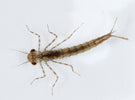
Damselfly larvae are the juvenile stage of damselflies, often accidentally introduced into aquariums through live plants, substrate, or outdoor water sources. They are slender, elongated, and usually brown or greenish, making them excellent at blending into planted tanks. This is another reason why you should consider quarantining any recently purchased plants or let an aquarium cycle to catch this problem beforehand.
Unlike many harmless hitchhikers, these larvae are predatory hunters and can cause serious harm if left unmanaged.
Damselfly larvae are ambush predators that feed on:
They use a specialized extendable mouthpart to snatch prey quickly, making them highly efficient hunters. In a shrimp tank, even one larva can significantly reduce your colony over time.
If you’re noticing disappearing shrimp with no clear cause, these larvae could be the culprit.
They are most active at night, so a flashlight check can help you spot them while your aquarium lights are off.
Using precision tools is the most reliable way to remove damselfly larvae from your aquarium. While a fine aquarium net can be used, we’ve found that these larvae, although relatively slow-moving, are excellent at hiding within plants, rocks, and décor. This can make netting them quite difficult.
The most effective method we’ve experienced is using a sharp aquarium scissor (straight or curved) to cut the larvae in half. This allows you to reach into tight spaces around ornaments and within your aquascape without disrupting your setup.
While this method may feel harsh, it is important to note that damselfly larvae can continue to move and potentially harm small shrimp even after being partially injured. For this reason, ensuring they are fully neutralised is essential to protect your livestock.
If you’re not comfortable with this approach, an alternative is to carefully remove them using a net or tweezers and release them into your garden, where they can continue their natural lifecycle. Some aquarists suggest they can be beneficial to your outdoor plants.
Other methods, such as using a gravel vacuum or chemical treatments to temporarily immobilise them, are less reliable according to our personal experience.
Recommended tools:
At Aquatic Pets SA, we recommend using high-quality aquarium scissors and tweezers to make removal quick, controlled, and safe, without disturbing your aquascape.
While this method may seem aggressive, it has proven to be the most effective solution. Removing the larvae promptly often leads to immediate improvements in shrimp behaviour, including reduced stress and less hiding.
Certain fish will eat damselfly larvae, such as:
We have added some Loaches and Corydoras catfish in the past to help prevent pest outbreaks, which may also be effective against damselfly larvae.
You can explore compatible fish options available at Aquatic Pets SA that can help control pests naturally. Just be aware that some of these fish may also prey on shrimplets and fish fry. For this reason, make sure your chosen fish species are shrimp-safe in order to protect your colony.
Prevention is always better than cure when it comes to pests like these. For a severe infestation, it may be best to move your shrimps temporarily to a quarantine tank while you reset and recycle your aquarium.
While damselfly larvae are part of nature, they don’t belong in a peaceful shrimp aquarium. Acting quickly can save your shrimp colony and restore balance to your tank.
If you are not sure whether this is the pest currently affecting your tank, Aquatic Pets SA is happy to assist with determining the best solution for your specific situation.